Moving antiques in Pimlico: fragile item removal solutions
Antiques are rarely just "things". They carry value, memory, and that slightly nerve-wracking feeling that one wrong lift could turn a family treasure into a repair bill. If you are moving antiques in Pimlico, you need more than a standard removals van and a few spare blankets. You need a careful plan, the right packing materials, experienced handling, and a route that makes sense for London streets, tight stairwells, and the kind of awkward doorway that always seems to appear at the worst possible moment.
This guide explains how fragile item removal solutions work in practice, what to expect, how to reduce risk, and how to decide whether a professional move is worth it. We will keep it straightforward, but thorough. Because truth be told, antiques are one area where "we'll just be careful" is not really a plan.
For readers wanting to understand the company side as well as the process, it can help to review the team's background and approach, along with their insurance and safety information and health and safety policy. Those pages do not replace a site survey, of course, but they do give useful reassurance before you book anything.
Table of Contents
- Why Moving antiques in Pimlico: fragile item removal solutions Matters
- How Moving antiques in Pimlico: fragile item removal solutions Works
- Key Benefits and Practical Advantages
- Who This Is For and When It Makes Sense
- Step-by-Step Guidance
- Expert Tips for Better Results
- Common Mistakes to Avoid
- Tools, Resources and Recommendations
- Law, Compliance, Standards, or Best Practice
- Options, Methods, or Comparison Table
- Case Study or Real-World Example
- Practical Checklist
- Conclusion
- Frequently Asked Questions
Why Moving antiques in Pimlico: fragile item removal solutions Matters
Pimlico is a lovely part of London, but it can be a bit unforgiving for awkward items. Many homes have narrow corridors, period features, tighter turns, and staircases that feel like they were designed before large furniture existed. Add in antique mirrors, cabinet glass, marble-topped tables, framed artwork, porcelain, clocks, or inherited sideboards, and the risks multiply quickly.
Antiques are vulnerable in ways standard furniture is not. A modern flat-pack shelf can usually take a bump. A veneered chest, however, may not. One concealed weakness, one loose joint, one historic finish, and suddenly a small knock becomes a genuine problem. That is why fragile item removal solutions matter: they reduce movement, protect surfaces, and make the whole process calmer.
There is also the value side. Antique items can be valuable financially, but the sentimental value is often even higher. You may only move a particular item once every few years, so people understandably want it done properly. A professional approach helps avoid the all-too-familiar "I wish we had wrapped that differently" moment. Nobody wants that moment, let's face it.
Another reason this matters is planning. A good antique move is not just about lift-and-carry. It often includes pre-move assessment, route checks, protective wrapping, careful loading order, and unpacking in a safe place at the other end. In a busy London setting, those details matter even more because timing, parking, access, and building rules can all affect the move.
How Moving antiques in Pimlico: fragile item removal solutions Works
At a practical level, fragile item removal is a controlled sequence. The aim is to minimise vibration, pressure, friction, and sudden movement. When handled well, the process feels uneventful. That is exactly what you want.
Typically, the job starts with identifying each item and understanding its weaknesses. For example, a mirror needs corner and face protection, while a wardrobe with aged joints may need internal bracing or extra support around the frame. A ceramic lamp and a grandfather clock do not travel the same way, even if they are roughly the same size. Common sense, but worth saying.
From there, the mover will usually assess access: door widths, stairs, bannisters, lift dimensions, floor surfaces, parking distance, and any places where turning space is limited. In Pimlico, that access check can be the difference between a smooth carry and a very awkward five-minute stand-off in a hallway.
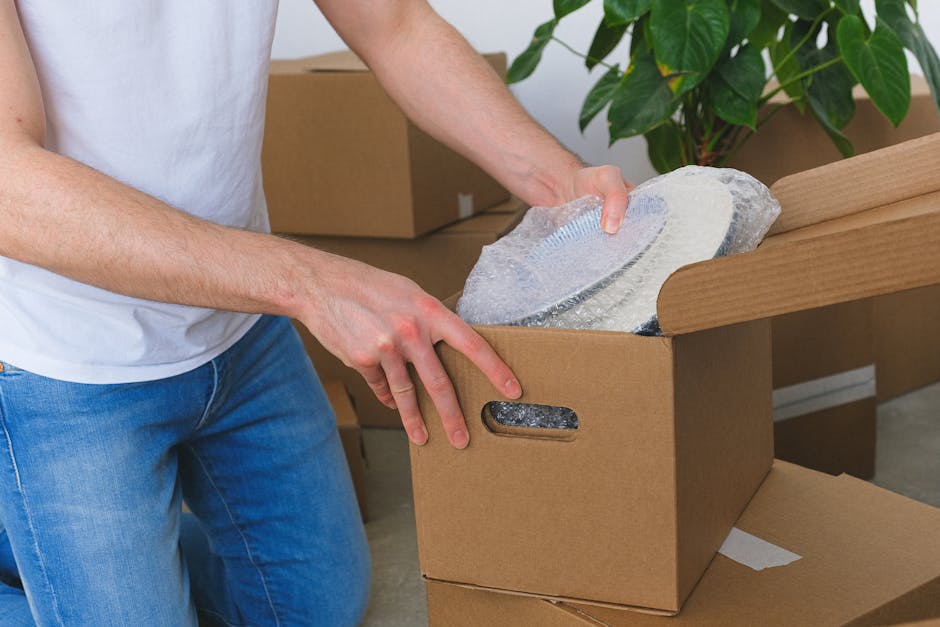
Packaging is then matched to the item. The goal is not simply to wrap everything tightly. It is to build layers of protection without creating pressure points. Soft blankets, acid-free paper, corner protectors, padded wraps, and sturdy cartons are all used for different purposes. For particularly delicate pieces, custom crating may be the safer choice.
Finally, items are loaded in a way that reduces shifting during transit. Heavy items are secured low and stable. Fragile items are separated from anything rigid or sharp. If an item needs to be transported upright, it stays upright. That sounds obvious, but you would be surprised how much damage comes from one casual assumption.
If you are comparing providers, check whether the business is transparent about pricing and quotes. A good quote should reflect the real complexity of the item, not just the number of boxes. And if anything seems unclear, ask. Antiques deserve proper attention, not a rushed estimate over a crackly phone line.
Key Benefits and Practical Advantages
The obvious benefit is reduced risk of breakage, scratching, and warping. But the real value goes beyond that. A structured fragile-item move can save time, protect your property, and reduce stress for everyone involved.
Here are the main advantages:
- Better protection for valuable items - especially where age, joinery, veneer, or glass make an item more fragile than it looks.
- Less pressure on the property - careful handling helps protect walls, floors, bannisters, and door frames.
- More predictable timing - a proper plan avoids delays caused by poor access or last-minute packing decisions.
- Reduced emotional stress - when people know items are being handled carefully, the day feels more manageable.
- Lower chance of hidden damage - many antique issues are not obvious until after the move. Good handling reduces that risk.
There is also a subtle but important advantage: confidence. If you are moving a family heirloom, confidence changes everything. You stop hovering around the item. You stop second-guessing each step. The whole move becomes less tense.
That may sound minor, but on moving day it is huge. The quiet, steady type of confidence is what keeps a tricky move from turning into a stressful one.
Who This Is For and When It Makes Sense
This service is a good fit for anyone moving items that are delicate, valuable, awkwardly shaped, or emotionally important. That includes private homeowners, landlords helping tenants clear inherited pieces, interior designers moving decorative antiques, and anyone relocating from one Pimlico property to another.
It also makes sense if you are handling one or two high-risk items rather than a whole house. Sometimes people assume a specialist move only matters for large collections. Not really. A single glass-fronted cabinet can be more stressful than several boxes of books.
You may especially need fragile removal solutions if:
- the item has glass, marble, gilt, or veneer finishes
- the item is old, irreplaceable, or repaired previously
- stairs or tight corners are involved
- the item is unusually heavy and delicate at the same time
- the move requires temporary storage or repeated handling
In some cases, people also ask for help when an item must be removed for decorating, probate, staging, or renovation. That is perfectly normal. Antiques do not only move when homes move.
And if you are unsure whether the item needs specialist treatment, ask for a conversation before booking. A good provider will usually be happy to talk through the item, the access, and the likely handling method. If they seem dismissive, that is a bit of a red flag.
Step-by-Step Guidance
Here is a practical outline of how a careful antique move usually works from start to finish.
- List the fragile items
Write down what is moving, its approximate size, materials, and any known weak points. If an item has a damaged leg, loose handle, or cracked glass, say so early. - Check access at both ends
Measure key openings if needed. Note stair turns, lift access, parking distance, and whether the item can be moved upright. In older Pimlico buildings, this step saves real headaches. - Choose the right packing method
Decide whether blankets, padded wraps, cartons, or a custom crate is most suitable. A polished cabinet should not be wrapped the same way as a framed oil painting. - Prepare the item
Remove loose contents, secure drawers, tape only where appropriate, and protect delicate hardware. Avoid aggressive tape on antique finishes. That one often goes wrong. - Protect the property
Lay floor coverings where needed and check corners, door frames, and tight turns. This matters just as much as wrapping the item itself. - Load in a stable sequence
Fragile items are loaded so they do not shift or bear weight from other pieces. No leaning, no wedging, no "it should be fine". - Unload slowly and place carefully
At the destination, items should be placed on level, prepared surfaces. Do not rush the last ten metres. That is where accidents love to happen.
If the move includes payment arrangements, take a moment to review payment and security information. It is a small admin step, but it helps the day feel more organised. A surprising amount of moving stress is really just uncertainty in disguise.
Expert Tips for Better Results
A few experienced habits make a huge difference when moving antiques. These are the details that do not always show up in a basic moving checklist, but they should.
- Photograph each item before packing - especially joints, finishes, and existing marks. It helps with condition reference and with peace of mind.
- Separate parts carefully - remove shelves, keys, detachable legs, or loose ornaments only if you can label and store them safely.
- Use breathable protection where appropriate - some older finishes do not like being sealed in clingy materials for long periods.
- Keep antique hardware together - tiny screws and fittings vanish quickly. One small bag, clearly labelled, saves a lot of muttering later.
- Tell the mover about weak points - repairs, hidden cracks, and past restorations matter more than you might think.
- Plan for weather and timing - rain, damp, or a hot van can affect surfaces and packaging.
One small practical observation: older items often behave differently when lifted than they look on paper. A light-looking display cabinet can be awkward because the weight is uneven. A heavy sideboard can be easier if its structure is solid. Experience matters here, because the item is sometimes telling you what it needs long before the paperwork does.
Also, leave a little buffer in the schedule. Rushed antique moves are where care tends to vanish. A calm ten-minute delay is better than a chipped edge and a regretful silence. That silence... yes, that one.
Common Mistakes to Avoid
Most damage in fragile moves comes from a handful of predictable mistakes. The good news is that they are easy to avoid once you know them.
- Using the wrong packing materials - newspaper, thin bubble wrap, or over-tight tape can be unsuitable for some antiques.
- Skipping the access check - many problems start at the stairwell or front door, not in the van.
- Overloading one person - if an item is awkward or heavy, forcing a solo lift is asking for trouble.
- Failing to secure loose parts - drawers, shelves, glass inserts, and ornaments can shift in transit.
- Ignoring existing damage - if the mover does not know about weak joints or repairs, they cannot handle the item appropriately.
- Choosing the cheapest option without checking the method - cost matters, but so does how the job is done.
There is another common one: assuming antique means fragile in exactly the same way every time. It does not. Some pieces are structurally sound but surface-sensitive. Others are strong on the outside but weak in one hidden area. The right solution depends on the item, not just the label.
Tools, Resources and Recommendations
You do not need a warehouse of specialist kit to move antiques well, but the right tools make the difference between "handled carefully" and "handled properly".
| Tool or material | Best use | Why it helps |
|---|---|---|
| Padded removal blankets | Wood, painted finishes, furniture edges | Reduces scratches and surface knocks |
| Corner protectors | Frames, cabinets, tables, mirrors | Protects the most impact-prone areas |
| Acid-free paper | Artwork, documents, delicate finishes | Helps avoid staining or chemical reaction |
| Sturdy cartons and crates | Small fragile items or high-value pieces | Offers structured protection in transit |
| Floor and doorway protection | Home and building access routes | Protects property during carry-out and delivery |
When choosing a provider, it is sensible to look beyond packing kit and ask about practical support, communication, and accountability. If you are comparing service standards, a quick read of the terms and conditions can clarify responsibilities, while the complaints procedure shows how issues are handled if something needs attention. Not glamorous reading, granted. But useful.
For people who want to understand the broader values behind the business, recycling and sustainability information can also be worth checking. Antique moves often create packaging waste, and responsible handling is part of a modern service, even if it is not the headline attraction.
Law, Compliance, Standards, or Best Practice
Antique moving is not usually about complicated regulation for the customer, but there are still sensible standards and duties to keep in mind. In the UK, moving companies should operate with appropriate care, insurance, and health and safety practices. They should also be clear about what they cover, what they do not, and how claims or complaints are managed.
For clients, the safest approach is to ask whether the mover has suitable goods-in-transit cover, public liability cover, and a clear handling process for fragile items. The wording may vary between providers, so do not rely on assumptions. Ask directly. A straightforward answer is always better than a vague one.
Best practice also includes:
- documenting item condition before the move
- using proper lifting techniques and enough crew for the job
- protecting common areas and property surfaces
- separating fragile items from general furniture loads where needed
- communicating any special handling requirements in advance
Data and payment handling matter too. If you are sharing personal details, it is sensible to understand how privacy is handled. If you care about website accessibility before booking or contacting the firm, the accessibility statement may also be useful. Small things, but they help build trust.
It is also reasonable to ask how the company approaches ethical supply chains and workforce standards. Their modern slavery statement is part of that picture. Most customers will not need to think about it every day, but it is a decent marker of a business that takes responsibility seriously.
Options, Methods, or Comparison Table
There is no single best method for every antique. The right choice depends on fragility, size, value, and access. Here is a simple comparison to help you think it through.
| Method | Best for | Strengths | Limitations |
|---|---|---|---|
| Blanket wrapping | Solid furniture with delicate surfaces | Quick, economical, protective for short moves | May not suit loose glass or highly ornate pieces |
| Boxing and padding | Smaller fragile objects, ceramics, ornaments | Good impact protection, easy to stack | Needs careful internal void filling |
| Custom crating | High-value, highly delicate, or unusually shaped items | Best structural protection | More time and cost involved |
| Specialist carry team | Heavy antiques, stair moves, difficult access | Reduces handling risk and property damage | Requires advance planning |
For many Pimlico moves, the answer is a combination rather than a single method. A mirror may need boxing, while a sideboard needs blanket wrapping and a two-person carry. A piano might need an entirely different plan again. The sensible move is the one matched to the item, not the one that looks neat on a quote sheet.
Case Study or Real-World Example
A very typical Pimlico scenario goes like this: a customer needs to move a Victorian chest of drawers, a framed mirror, and several smaller decorative antiques from a top-floor flat to a nearby address. The hallway is narrow, the stairs turn sharply at the half-landing, and there is a tight entrance door at the destination.
In a rushed move, the mirror would probably be the first thing to go wrong. It might catch on the frame, or the backing could flex during loading. The chest of drawers could also suffer from movement inside the van if the drawers are not secured and the item is not positioned correctly.
A careful fragile-item solution changes that. The mirror gets face protection and corner support. The drawers are secured. The furniture is wrapped, the route is checked, and the move is done with enough crew to keep the lift controlled. The result is not dramatic. That is the whole point. Nothing spectacular happens, which is wonderful.
Another realistic detail: once the items arrive, they are not dumped in the middle of the room and left to "settle". They are placed where the customer wants them, checked for visible movement, and unwrapped carefully. That final stage matters because many small scuffs happen during unpacking rather than transport. Funny how that works.
If you are speaking to a provider about a similar move, it is fair to ask about quotes, access assumptions, and whether packing or dismantling is included. If the explanation is clear, you are probably on the right track.
Practical Checklist
Use this checklist before moving day. It keeps things grounded and stops small oversights from becoming big ones.
- Identify each antique item and note any existing damage
- Measure entrances, stairs, and lifts where access is tight
- Confirm whether any item must stay upright
- Empty drawers, shelves, and loose compartments
- Remove or secure loose fittings, keys, and ornaments
- Choose the right packing method for each item
- Protect floors, corners, and door frames at both properties
- Share any handling concerns with the mover in advance
- Check insurance and service terms before booking
- Arrange parking or access arrangements if needed
- Keep a simple inventory of what is being moved
- Plan where each item will go at the destination
Expert summary: The safest antique moves are rarely the flashiest. They are the ones built on planning, the right materials, enough hands on deck, and a steady pace from start to finish.
That really is the difference. A careful process feels almost plain while it is happening, but that plainness is a feature, not a flaw.
Get a free quote today and see how much you can save.
Conclusion
Moving antiques in Pimlico calls for more than generic removals support. It needs a fragile-item approach that respects the item, the property, and the reality of London access. When the right packing method is used, the route is checked properly, and the move is carried out at a sensible pace, the whole experience becomes much less risky and far more manageable.
If you are dealing with an heirloom, a restored cabinet, a glass-fronted piece, or something that simply feels too precious to gamble with, specialist handling is usually money well spent. Not because it is fancy, but because it is careful. And careful is what antiques need.
For next steps, it is sensible to review the company's contact information if you want to discuss access, item type, or timing. A short conversation now can prevent a long headache later. That is usually the bargain, really.
Take your time, ask the awkward questions, and trust the process that treats the item like it matters. Because it does.
Frequently Asked Questions
What is the safest way to move antiques in Pimlico?
The safest approach is a planned fragile-item move with proper packing, enough crew, a route check, and careful loading. The exact method depends on the item's size, material, and condition.
Do all antiques need custom crates?
No. Many antiques can be moved safely with blanket wrapping, boxing, or padded protection. Custom crating is usually best for especially delicate, high-value, or unusually shaped pieces.
How far in advance should I book an antique removal?
As early as you can, especially if access is tight or the item is particularly valuable. A little lead time gives everyone space to plan the move properly, and that usually pays off.
Can fragile items be moved on the same day as other furniture?
Yes, but they should be packed and loaded with more care than standard furniture. In some cases, separating fragile items from the main load is the safer option.
What should I tell the mover before the day?
Share the dimensions, condition, materials, access issues, and whether any item has loose parts or previous repairs. The more accurate the information, the better the handling plan.
Is insurance important for antique moves?
Yes. You should check that the mover has suitable cover and understand what is included. Insurance does not replace careful handling, but it is an important part of a trustworthy service.
How do movers protect floors and walls in older properties?
They may use floor coverings, corner guards, and careful lifting techniques to reduce the chance of scuffs or impact marks. This is especially useful in narrow hallways and staircases.
What if my antique already has damage?
Tell the mover before collection. Existing damage should be documented and handled carefully so it does not worsen during the move.
Are there extra costs for fragile item removal solutions?
Sometimes, yes. More delicate items may require extra packing, extra crew, more time, or specialist equipment. A clear quote should explain why the price differs from a standard move.
Can antiques be moved in bad weather?
Usually yes, but the move may need extra protection against damp or rain. The team should take steps to protect surfaces and keep the item stable during loading and unloading.
What is the difference between packing and crating?
Packing uses protective materials such as blankets, wraps, and boxes. Crating adds a rigid wooden or reinforced structure around the item for higher protection.
How do I know if a mover is trustworthy for antiques?
Look for clear communication, sensible questions about the item, transparent pricing, visible safety policies, and straightforward terms. If they seem rushed or vague, it is worth pausing and asking more.
If you want a move handled with care, patience, and the right kind of attention, that is the standard to aim for. The best antique removals feel calm on the day, and that calm is earned long before the van arrives.