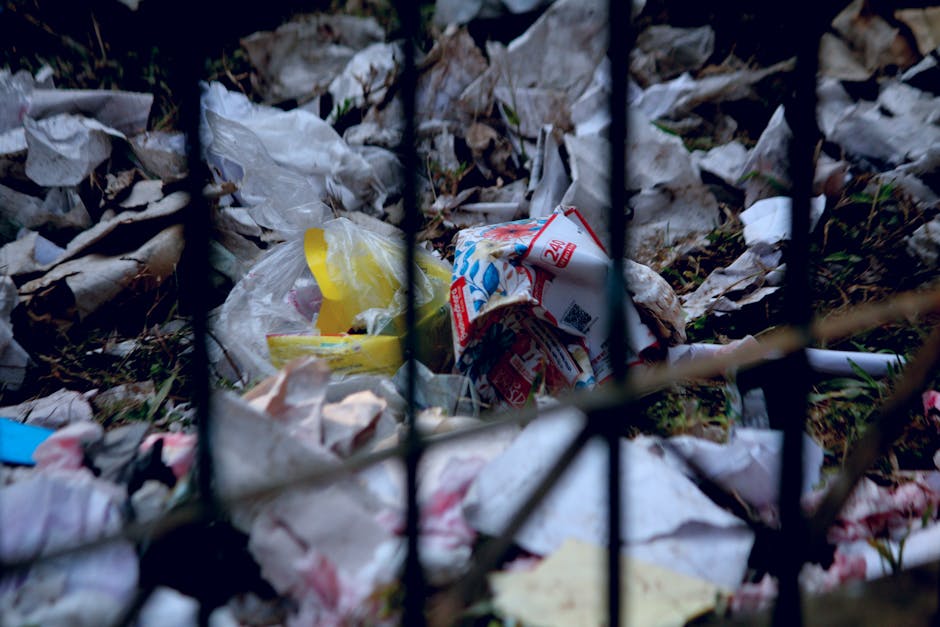
Disposing waste after a Pimlico move: legal obligations
Moving house in Pimlico is busy enough without a pile of unwanted boxes, broken furniture, old curtains, flat-pack leftovers, and last-minute rubbish waiting by the door. But disposing waste after a Pimlico move: legal obligations are not something to leave until the end and hope for the best. In London, and especially in a busy central area like Pimlico, the practical side of waste removal can quickly overlap with legal responsibility, neighbour relations, and basic common sense. This guide breaks it all down in plain English so you can clear the property properly, stay compliant, and avoid the sort of problems that turn a moving day into a headache.
If you want a smoother move from the start, it also helps to plan the packing stage carefully and think about storage for anything you are not ready to throw away yet. A little preparation goes a long way, honestly.
Table of Contents
- Why the legal side matters
- How waste disposal works after a move
- Key benefits of doing it properly
- Who needs to pay attention
- Step-by-step guidance
- Expert tips for a cleaner move
- Common mistakes to avoid
- Tools, resources and recommendations
- Law, compliance and best practice
- Methods compared
- Real-world example
- Practical checklist
- Conclusion
- Frequently Asked Questions
Why Disposing waste after a Pimlico move: legal obligations Matters
There is a lot more to move-out waste than simply "getting rid of stuff". Once you leave items in the wrong place, hand them to the wrong person, or dump them too casually, you may be responsible for what happens next. That is the part people often miss.
In practical terms, the law expects waste to be handled responsibly. If rubbish is fly-tipped, burned, abandoned in a communal area, or left in a way that creates a nuisance, the person who produced the waste can still face trouble. That can include the homeowner, the tenant, the landlord, or the business occupier, depending on the situation and the agreements in place. It is not always as simple as "the removal team took it away, so I'm done".
Pimlico has its own quirks too. Shared entrances, narrow streets, controlled parking, and nearby neighbours mean waste left outside too long can become an immediate issue. A mattress leaning against a wall for "just a few hours" can become a complaint before you have even found the kettle. Let's face it, nobody enjoys being the person who blocks a pavement on moving day.
Legal obligations matter for another reason as well: they protect you from avoidable costs. If waste is mishandled, you may have to pay for re-collection, enforcement action, or extra cleaning. A properly managed clearance is usually cheaper than fixing a mess later.
Expert summary: after a Pimlico move, the safest approach is to sort waste early, separate what can be reused or recycled, use a legitimate carrier, and keep proof of what was removed. That simple habit prevents most compliance problems.
How Disposing waste after a Pimlico move: legal obligations Works
The legal side is based on a simple idea: waste should go to an authorised route, not just any available van or skip. In everyday terms, that means deciding what is reusable, what can be donated, what needs recycling, and what must be treated as general waste or specialist waste.
A good process usually looks like this:
- You identify what is staying, moving, donating, recycling, or throwing away.
- You separate hazardous or awkward items, such as old paint, batteries, or electricals.
- You choose a lawful disposal route, such as council collection, a licensed waste carrier, or a recycling option.
- You make sure items are not left in a communal bin room, on the pavement, or in a shared courtyard unless that is specifically allowed and timed properly.
- You keep receipts, photos, or written confirmation where possible.
That last point sounds dull, but it matters. If a dispute comes up later, even a basic record can show that you acted properly. When a moving day gets hectic and everyone is carrying something different, memory alone is not the friend you think it is.
In a typical Pimlico flat move, waste is often a mix of cardboard, bubble wrap, furniture offcuts, food packaging, broken hangers, and things found at the back of a cupboard that nobody quite remembers buying. The process works best when you treat it as a sorting exercise rather than a single bin bag at the end.
Key Benefits and Practical Advantages
Following the legal obligations around move-related waste is not only about avoiding penalties. It also makes the whole move calmer and more organised.
- Less risk of fines or complaints: lawful disposal means fewer problems with neighbours, landlords, or local enforcement.
- Cleaner handover: leaving a property tidy can help protect deposit discussions and final inspections.
- Better recycling outcomes: reusable items, cardboard, metal, and many electrical items can often be separated from general rubbish.
- Safer moving day: clear floors and hallways reduce trips, scratches, and awkward bottlenecks.
- Less stress: once waste is under control, the rest of the move feels more manageable.
There is also a reputational side, especially for landlords, agents, and businesses. A neat clearance says a lot. It shows that you handled the move with care, not with a shrug and a bin liner. In a smart, tightly packed area like Pimlico, that matters more than people sometimes admit.
If you are planning a wider relocation, services such as removals or flat removals can help reduce the amount of leftover debris simply because the move is handled more systematically from the start.
Who This Is For and When It Makes Sense
This topic is relevant to almost anyone moving out of a property in Pimlico, but some people need to pay extra attention.
- Tenants: you may need to return the property in a clean and cleared condition, depending on the tenancy agreement.
- Homeowners: even if the house is yours, illegal disposal can still cause enforcement issues or nuisance complaints.
- Landlords and letting agents: you need a practical process for end-of-tenancy clearances and abandoned items.
- Businesses: office waste, old files, broken fixtures, and redundant furniture may require a more controlled disposal route.
- Students and short-term renters: the rush to leave can tempt people into leaving things behind. That tends to go wrong. Fast.
It makes sense to focus on this before moving day if you already know you have bulky items or awkward waste. For example, if you are leaving a furnished flat and only taking the essentials, it is much easier to plan a proper clearance than to do a frantic sweep at 8pm with the keys due back in the morning.
If you are between properties, temporary holding space can help. A service like storage can buy time for anything you are not sure about, rather than forcing you into a rushed disposal decision.
Step-by-Step Guidance
Here is the most practical way to handle waste after a Pimlico move without making life harder than it needs to be.
1. Walk the property room by room
Start with the obvious. Cupboards, under-bed storage, loft spaces, balcony corners, utility areas, and behind the sofa. The stuff that gets forgotten is usually the stuff that causes the final scramble.
2. Separate waste into clear categories
- General waste
- Cardboard and paper
- Reusable or donate-worthy items
- Electrical items
- Bulky furniture
- Potentially hazardous items
This kind of sorting helps you avoid mixing materials that should not be thrown together. It also makes collection and recycling easier.
3. Check for restricted or special items
Some items need extra care. Batteries, certain cleaning products, old paint, and damaged appliances are not just "rubbish". If you are unsure, treat them cautiously and do not put them out with mixed waste unless you know that route is permitted.
4. Decide what can be reused
Moving is a good moment to be a little ruthless, but not wasteful. A side table, working lamp, or stack of boxes may be better passed on than thrown away. That is both practical and better for the environment. Simple, really.
5. Use a lawful collection route
Choose a route that matches the type of waste. For furniture and bulkier items, a professional option such as furniture pick up or furniture removals may be more suitable than trying to manage everything yourself in stages.
6. Keep the area clear until collection
Do not leave waste where it could block access, attract complaints, or blow around in the wind. A cardboard box that seemed harmless at lunchtime can become part of the street by afternoon. London weather has a way of making that point for you.
7. Save evidence of proper disposal
Keep invoices, photos, and any written confirmation. If you hired a van or waste clearance provider, that paper trail can be very useful later.
Expert Tips for Better Results
Over the years, one thing becomes clear: most waste problems after a move are caused by rushing. Not bad intentions, just speed. A few calm decisions solve a lot.
- Book disposal before moving day: don't leave bulky waste until after the sofa is already on the pavement.
- Label everything you are keeping: if you are unsure, mark it now rather than revisiting it later in a panic.
- Use sturdy boxes for sorting: mixed loose items create mess fast.
- Protect shared spaces: hallways and lifts in Pimlico buildings are often narrow and well used. Keep them clear and tidy.
- Ask about collection timing: if something is being collected, make sure the timing does not conflict with access rules or neighbour routines.
- Separate recyclable cardboard early: it saves space and makes the place look less chaotic.
One small habit I always recommend is a final "empty flat" walk-through at the very end. No suitcase behind the bathroom door. No broken lamp in the airing cupboard. No random bag of cables you were "definitely going to sort later". We all know how that goes.
For larger or more complicated clearances, using a properly equipped team through removal services can reduce the chance of waste being left in the wrong state or place.
Common Mistakes to Avoid
These are the errors that most often cause trouble after a move.
- Leaving bags outside too early: this can attract complaints or be treated as abandonment.
- Assuming the council will take everything: bulky or specialist items often need a different route.
- Using an unverified collector: if waste is passed to someone who later dumps it, you may still face questions.
- Mixing recyclable and non-recyclable items unnecessarily: it can make disposal harder and less efficient.
- Forgetting landlord or building rules: many blocks have specific instructions for bin stores, loading bays, and collection times.
- Leaving hazardous items in ordinary rubbish: this is one of the quickest ways to create a safety issue.
Another common one? Packing the move so tightly that waste is discovered only after the van is gone. That is when people end up making rushed decisions they later regret. Not ideal, to put it mildly.
Tools, Resources and Recommendations
You do not need fancy equipment, just a few sensible tools and a good process.
- Heavy-duty bin bags: for general waste and small household rubbish.
- Marker pens and labels: helpful for sorting and identifying items that are staying, donating, or disposing.
- Strong packing tape: for sealing boxes with broken or loose contents.
- Gloves: useful when handling dusty loft items or old storage contents.
- A phone camera: take photos of the property before and after clearance.
- A checklist: simple, but it keeps you honest when you are tired.
If you are moving in stages, using packing and boxes services can make sorting easier from day one, because items destined for disposal do not get mixed up with the things you actually want to keep.
For people moving with a straightforward load, a man and van setup can be a practical fit. If the move is larger or includes more furniture, a more structured option such as house removals may be better because the process tends to be more orderly.
Law, Compliance, Standards, or Best Practice
This is the part where caution matters. Waste law can be detailed, and local requirements may vary by property type, borough process, and the nature of the material. Still, some broad principles are worth keeping in mind.
You remain responsible for your waste until it is transferred to an appropriate, lawful recipient. That is why it is wise to use a legitimate disposal route and avoid giving items to anyone who cannot clearly explain where the waste is going.
Fly-tipping is never a safe shortcut. Leaving rubbish in unauthorised places, even temporarily, can create enforcement risk. A communal corridor, front step, pavement, alleyway, or shared bin area is not automatically a free-for-all.
Duty of care is the key idea. In plain English, you should take reasonable steps to make sure waste is handled properly. Keep records. Know who collected it. Make sure the method matches the waste type. That is the backbone of responsible disposal.
Special waste needs special handling. Electricals, paint, batteries, and bulky items should be treated carefully. If you are unsure whether something needs special treatment, do not guess. Guessing is rarely the winning strategy here.
Property-specific rules can override convenience. A building management company, landlord, or letting agent may have its own requirements for waste storage and removal. Those rules are usually there for a reason, even if they feel annoying on a moving morning.
For businesses and landlords, compliance is especially important because waste left after a move can affect health and safety, access, and the condition of common areas. If you are handling an office rather than a home, office removals and commercial moves are often better suited to a more controlled clearance process.
Options, Methods, or Comparison Table
There is no single right answer for every move. The best method depends on volume, item type, time pressure, and how much you want to handle yourself.
| Method | Best for | Pros | Watch out for |
|---|---|---|---|
| Reuse or donate | Good-condition household items, furniture, boxes | Low waste, often quick, environmentally sensible | Needs time and planning; not everything will be accepted |
| Recycle through sorted waste streams | Cardboard, paper, some electricals, metals | Responsible and efficient | Requires sorting and correct drop-off or collection route |
| Licensed clearance or removal team | Bulky items, mixed loads, tight timelines | Convenient, less physical strain, often easier for larger moves | Must confirm the provider is appropriate for the waste type |
| DIY disposal using a van | Small, manageable loads with enough time | Flexible and sometimes cost-effective | Can be tiring, time-consuming, and risky if access or disposal rules are unclear |
If you are on a deadline, especially in a flat move with no spare storage, a service such as same day removals may be useful. That said, speed should never replace proper disposal decisions.
Case Study or Real-World Example
A typical Pimlico example looks something like this: a couple moves out of a two-bedroom flat on a Friday, with a storage cupboard full of old lamps, two damaged chairs, and six boxes of mixed household bits. The new landlord needs the flat cleared by evening, the hallway is narrow, and the building has shared access. A rushed approach would be to leave everything by the front door and hope someone else deals with it. That is exactly where things go wrong.
Instead, they sort the items into three groups. The chairs and lamps go with a proper furniture collection, the cardboard is flattened and separated, and the unusable oddments are bagged clearly. One small box of papers is kept for review rather than dumped. The result? Less mess, no awkward hallway blockage, and no last-minute dispute about abandoned waste.
Truth be told, most successful move-out clearances are not dramatic. They are just organised. A bit boring, maybe. But beautifully boring.
Practical Checklist
Use this checklist before you hand back keys or leave the property:
- Walk every room, cupboard, loft space, and storage area.
- Separate reusable items from genuine waste.
- Identify bulky, electrical, or hazardous items.
- Decide what can be recycled.
- Book a lawful collection route if needed.
- Do not leave waste in shared areas unless permitted.
- Keep records of collection or disposal.
- Take final photos of the cleared property.
- Check building rules, tenancy terms, or handover instructions.
- Confirm nothing is left behind in drawers, under beds, or behind appliances.
Quick takeaway: the safest way to handle move-related waste in Pimlico is to sort early, use the right disposal route, and keep proof. Simple, yes. But it saves a lot of grief.
Conclusion
Disposing waste after a Pimlico move is not just a tidy-up task; it is part of your legal and practical responsibility. The aim is to leave the property clean, avoid nuisance, and make sure rubbish reaches the right place for the right reason. When you sort waste properly, use legitimate collection options, and keep a record of what happened, you protect yourself from the most common problems.
That approach also makes moving day feel less chaotic. And let's be honest, anything that reduces chaos on move day deserves some respect.
If you are preparing a move and want the whole process to feel easier, start with a clear plan for what stays, what goes, and what needs a proper collection route. The calmer you are at the sorting stage, the better everything else tends to go.
Get a free quote today and see how much you can save.
Frequently Asked Questions
Who is legally responsible for waste after a move in Pimlico?
Usually the person or business that produced the waste remains responsible until it is handed over to an appropriate and lawful collector or disposal route. That can include tenants, homeowners, landlords, or business occupiers depending on the circumstances.
Can I leave moving rubbish outside my property overnight?
It is risky to do that unless you are sure it is allowed and will be collected promptly. Waste left outside can create nuisance, attract complaints, or be treated as abandoned.
What should I do with old furniture after moving out?
If it is still usable, consider reuse or a proper furniture collection. If it is damaged or unsafe, arrange a lawful removal route rather than leaving it in a shared area.
Are cardboard boxes treated as normal waste?
Often cardboard can be recycled separately, provided it is clean and dry. Flattening boxes early makes the job much easier and reduces the amount of space they take up.
Do I need to keep proof of waste disposal?
Yes, that is a smart move. Receipts, collection notes, photos, or written confirmation can help if there is any later dispute about where items went.
What happens if my waste is fly-tipped by someone else?
If you handed waste to an unverified collector, you may still be asked questions about the transfer. That is why it is better to use a proper, traceable disposal route and keep a record.
Can I dispose of paint, batteries, or old electronics with general rubbish?
Not usually. Those items often need separate handling. If in doubt, treat them carefully and avoid mixing them into ordinary household waste.
Is it better to hire a removal company or do it myself?
That depends on volume, time, access, and the type of items involved. For bulky or mixed loads, a professional option is often less stressful and more reliable.
What if I am moving from a flat with shared hallways?
Then you need to be extra careful. Shared access areas should stay clear, and waste should not be left where it blocks movement or creates a complaint risk.
Can storage help me avoid rushing waste decisions?
Yes. If you are not ready to decide about some items, temporary storage can give you breathing room so you do not dump things just to meet a deadline.
How do I know if a waste collector is legitimate?
Ask clear questions about where the waste goes, what items they can take, and whether they provide confirmation of collection. If the answers are vague, that is usually a warning sign.
What is the safest final step before handing back the keys?
Do one last room-by-room check, including cupboards and hidden spaces, then take photos of the cleared property. It is a simple habit, but it catches the silly little leftovers that otherwise get missed.